


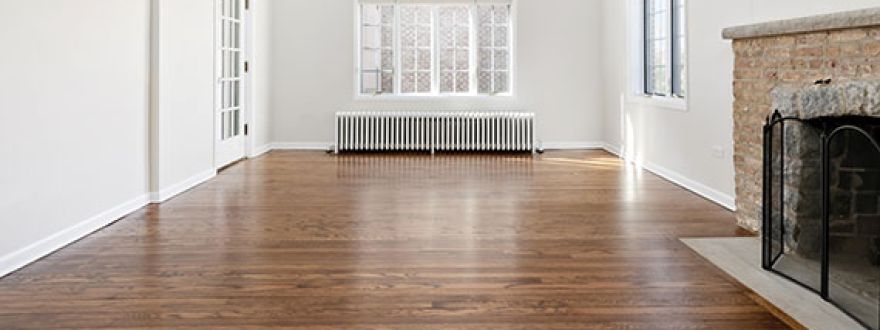
Can You Insure a Vacant Home? Yes! And not only can you — but you should!
Vacant homes are more likely to experience theft, vandalism, arson and be the site of illegal or dangerous activities. Similarly, the lack of residents comes with a greater likelihood of the home experiencing unique damage such as frozen pipes, or fires.
When is a home considered vacant?
After 30 - 60 days of vacancy, a home is considered vacant - although the exact time frame will vary depending on state law. Once considered vacant, the property can no longer be covered under a standard homeowners policy and the dwelling owner may want vacant home coverage to extend insurance benefits.
This often happens when selling a house, renovating between tenants, or when inheriting a home.
What's the difference between unoccupied and vacant?
Unlike a vacant home, an "unoccupied" home still has furniture inside. "Vacant" homes are completely empty. Both require special coverage.
How to insure your vacant or unoccupied property?
Luckily, insuring a vacant or unoccupied property is easy! Many insurers, Foremost® included, offer special endorsements on standard homeowners policies that convert the policy to a vacant home policy without actually changing coverage. This may be a great option for landlords in between tenants, people with seasonal homes, or those expecting to sell a home within a short time span.
If an endorsement is unavailable or there is no pre-existing policy on the property, many insurers offer policies specific to vacant and unoccupied properties often in 3-, 6- or 12-month terms.
Foremost Insurance is proud to offer broad underwriting which extends to often overlooked ZIP Codes and optional coverages for risks like vandalism, which may not be available with other insurers.
Reprinted from the Foremost.com learning center.